
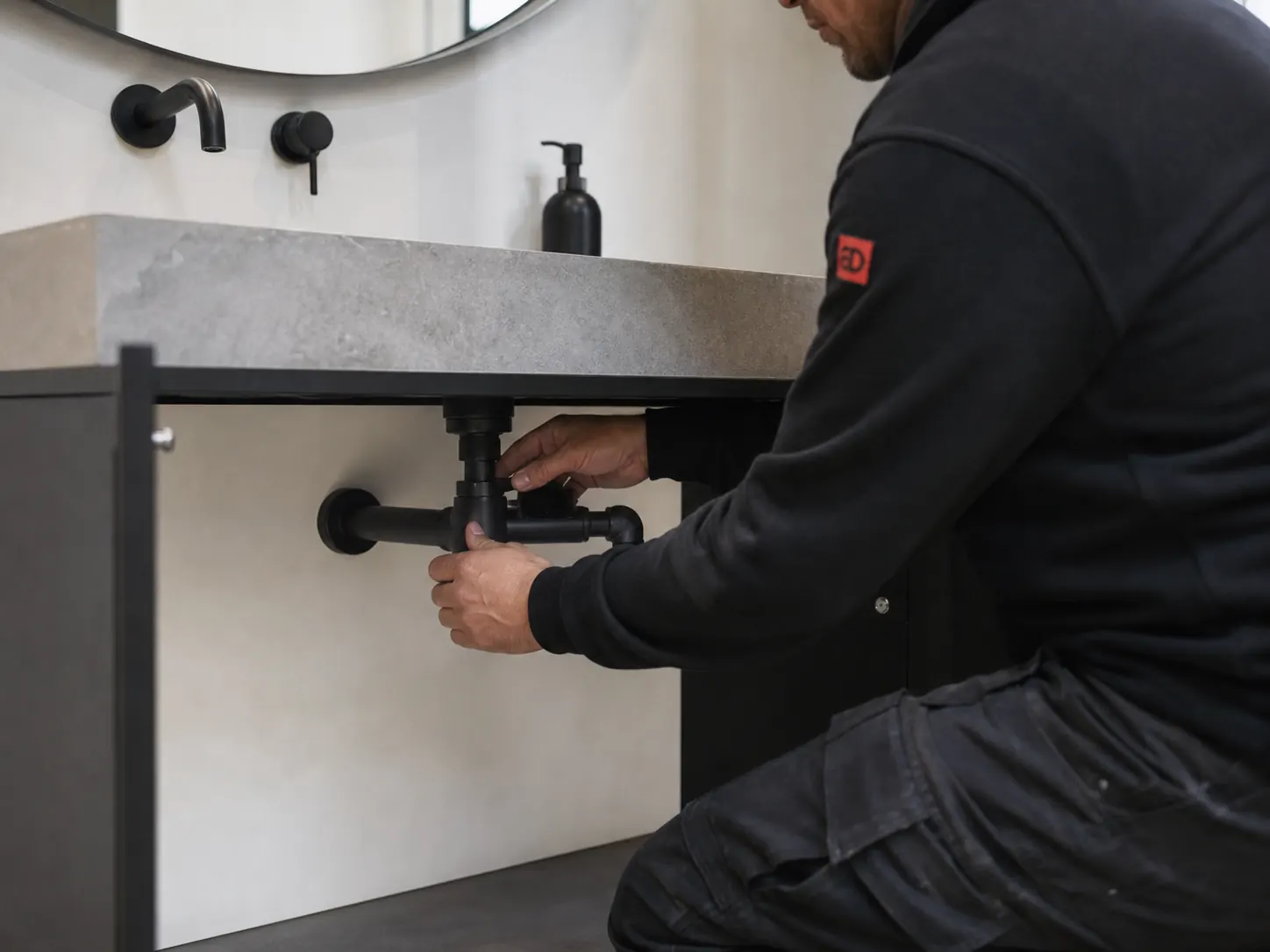
Plumbing
What should you do immediately in case of a water leak?
Turn off the water supply if it is safe to do so, protect nearby electrical equipment and contact a professional to identify the source of the leak.
Learn more →Search practical guidance in the website’s local database, without sending data to an external service.
Guidance tool based on the advice available on this website.
Turn off the water supply if it is safe to do so, protect nearby electrical equipment and contact a professional to identify the source of the leak.
Learn more →A leak may come from a fitting, pipe, sanitary fixture or drain. A diagnosis helps determine the appropriate repair.
Learn more →Check the clarity of the quote, the scope of work, planned materials and how unforeseen issues will be handled.
Learn more →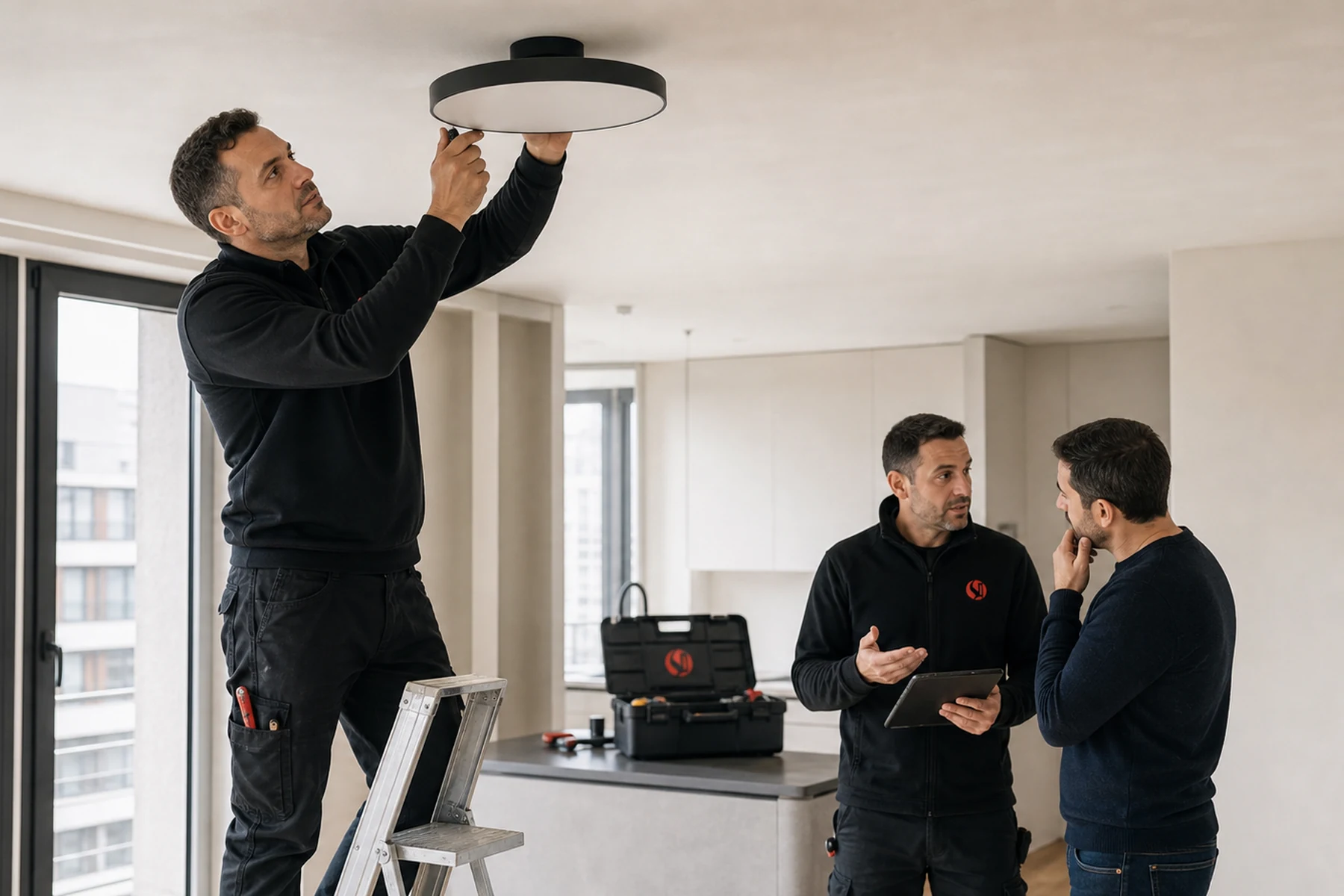
An old, overloaded, poorly identified panel or one with unsuitable protection should be assessed before any major change.
Learn more →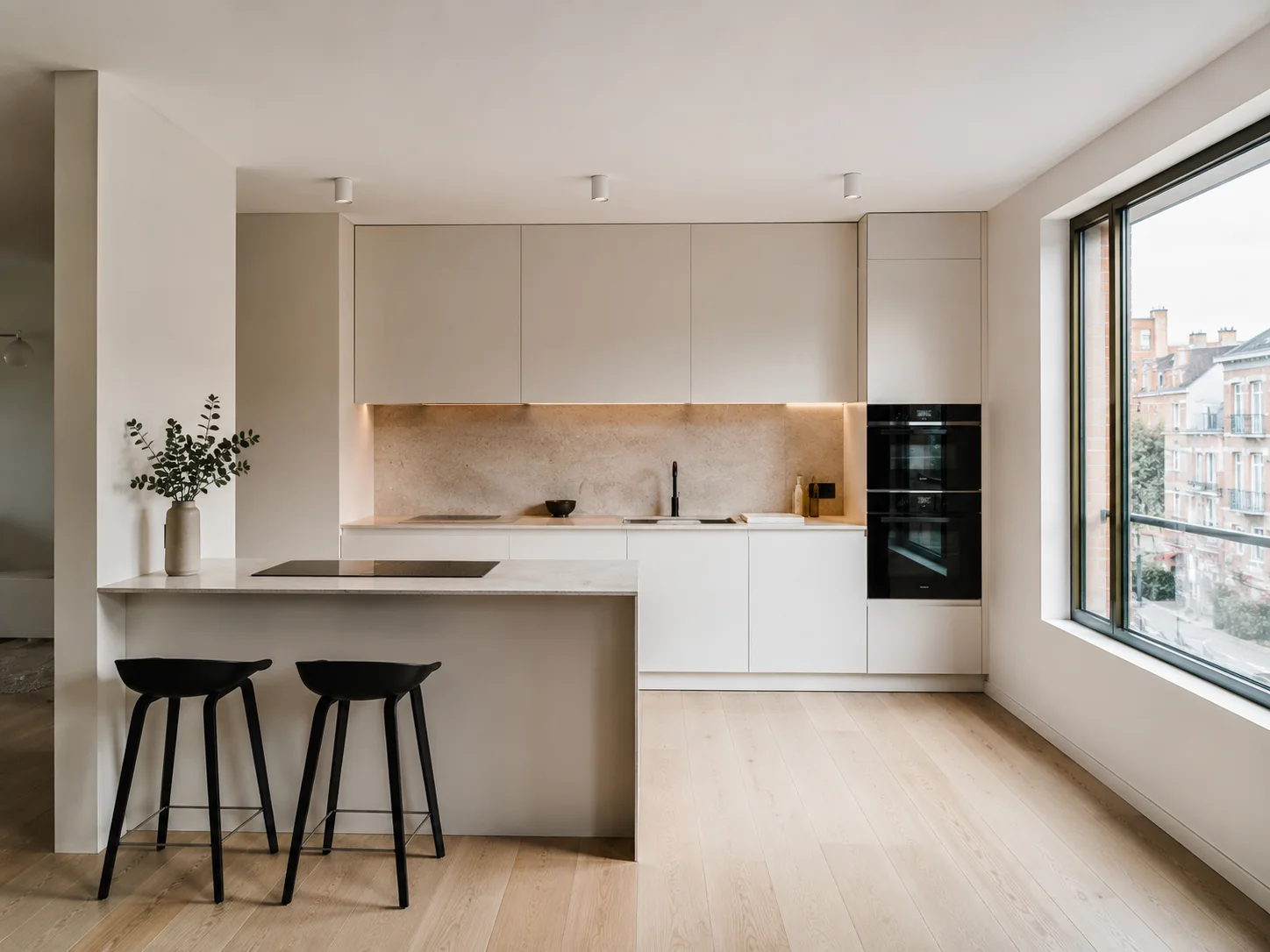
Define priorities, budget, access, decisions and each person’s responsibilities before work starts.
Learn more →
Use, moisture, substrate, maintenance, acoustics and budget should be compared before choosing wood, tile or another finish.
Learn more →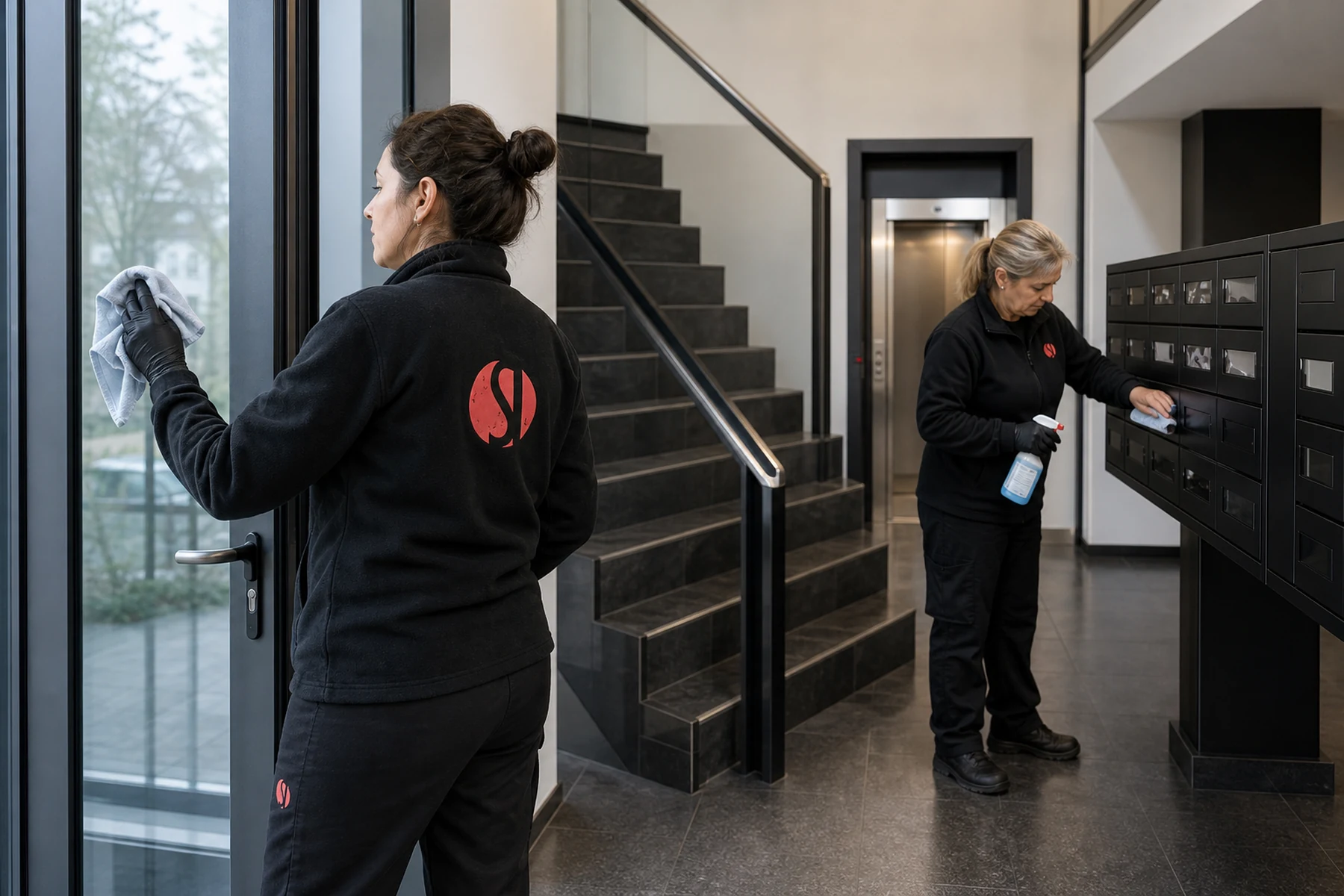
Frequency depends on foot traffic, season, building type and expected cleanliness level.
Learn more →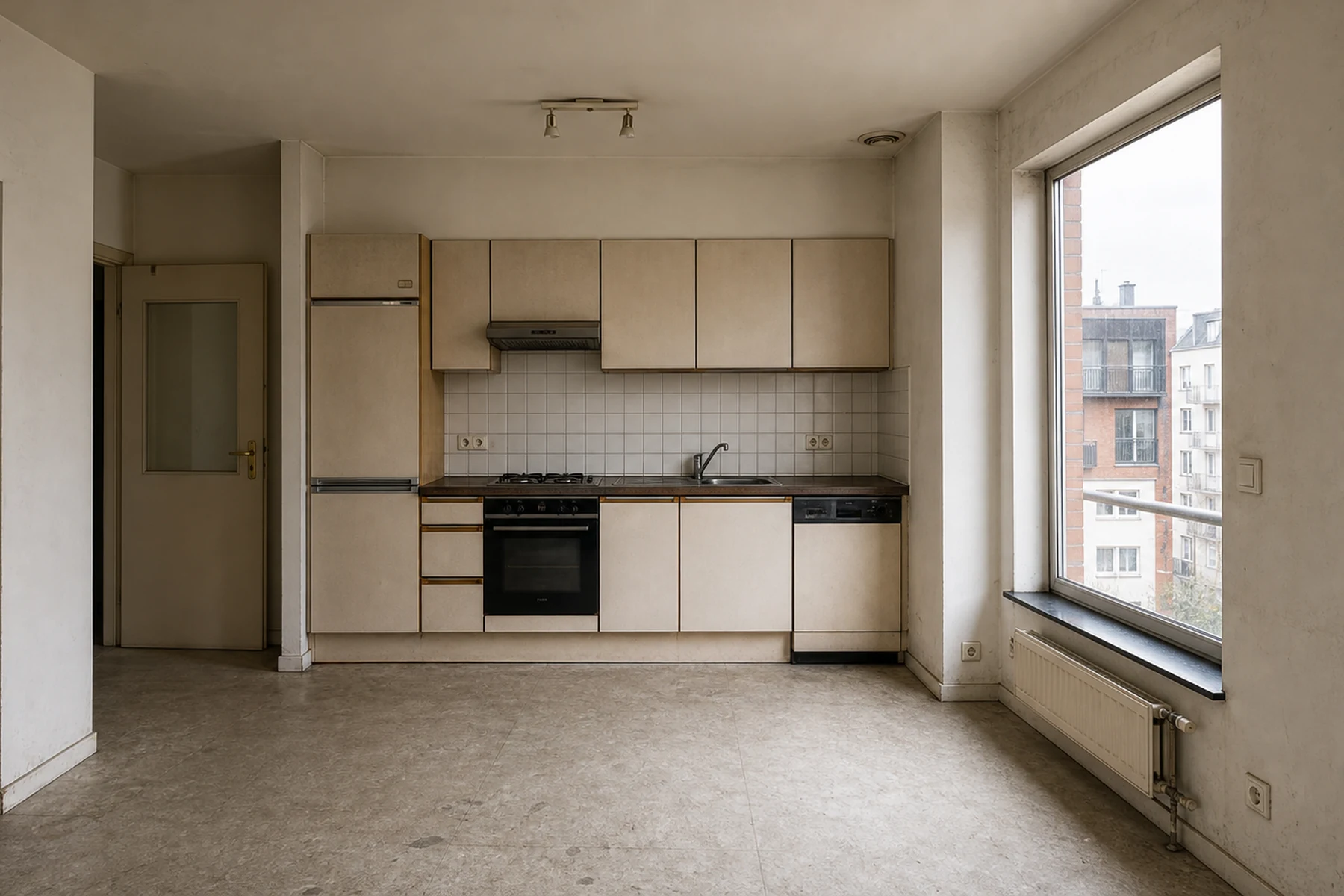
Unprepared access, late choices, forgotten protection and unclear responsibilities can cause delays and extra costs.
Learn more →Remove only accessible debris, never mix drain-cleaning products, and have the drain checked if water backs up, leaks or no longer flows away.
Read more →Identify the affected areas without opening the panel or dismantling an appliance. If there is a burning smell, smoke, sparks or overheating, move away and request urgent assistance.
Read more →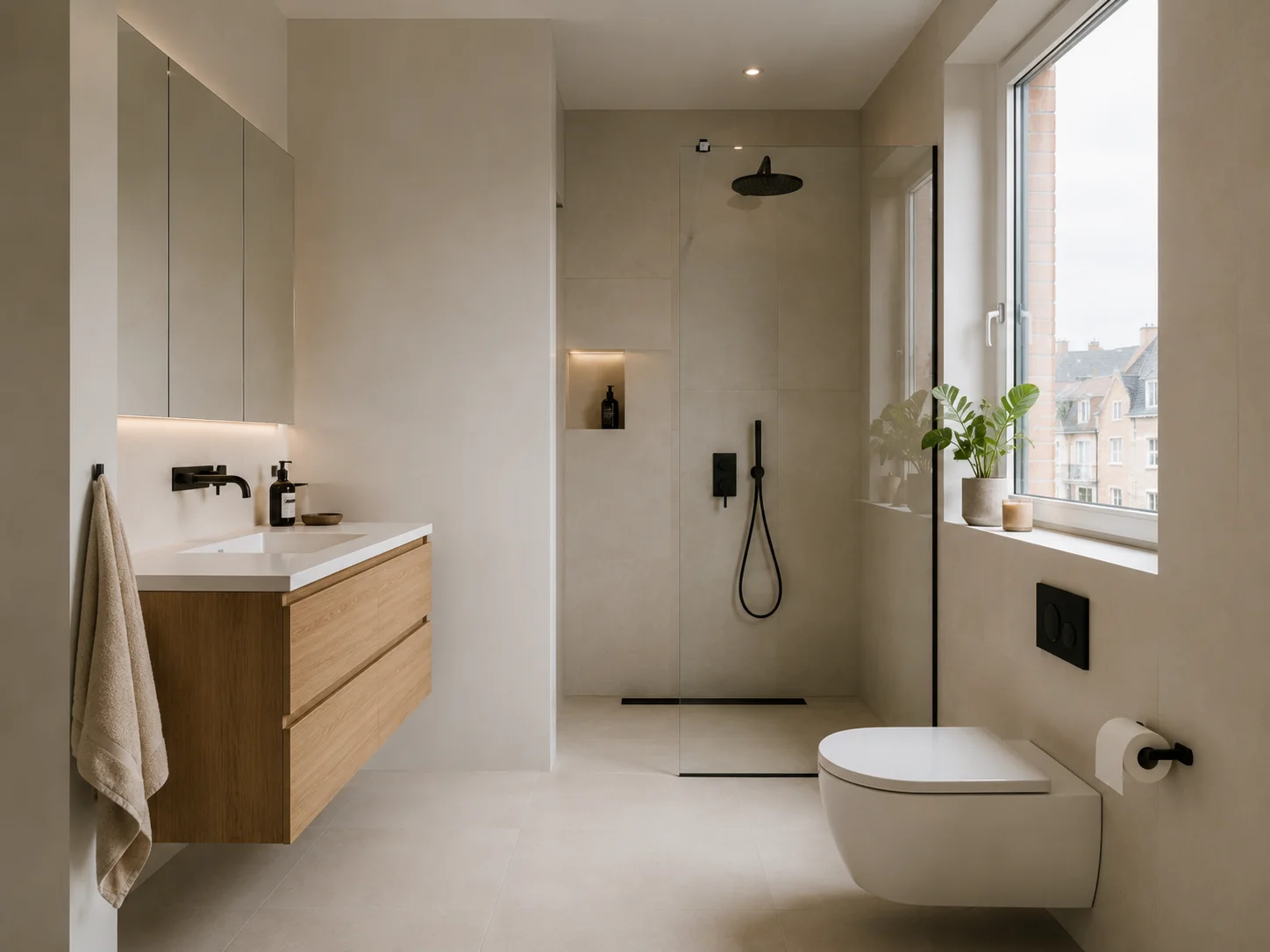
Record the dimensions, condition of the pipework, ventilation, required fixtures and access constraints before approving the layout and quotation.
Read more →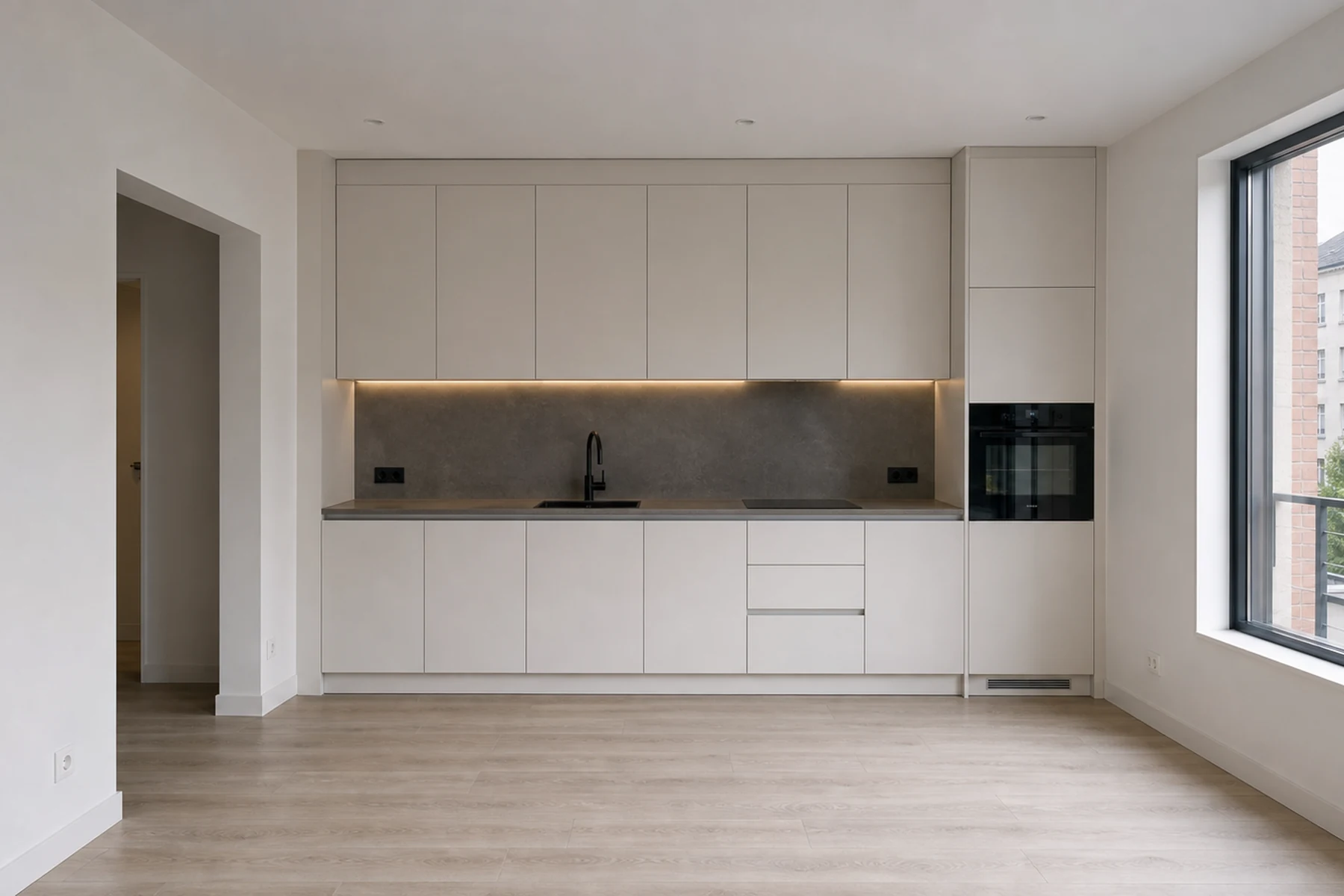
Schedule cleaning after the last dust-producing work, separate waste removal from cleaning, and specify the surfaces, glazing, equipment and finishes to be treated.
Read more →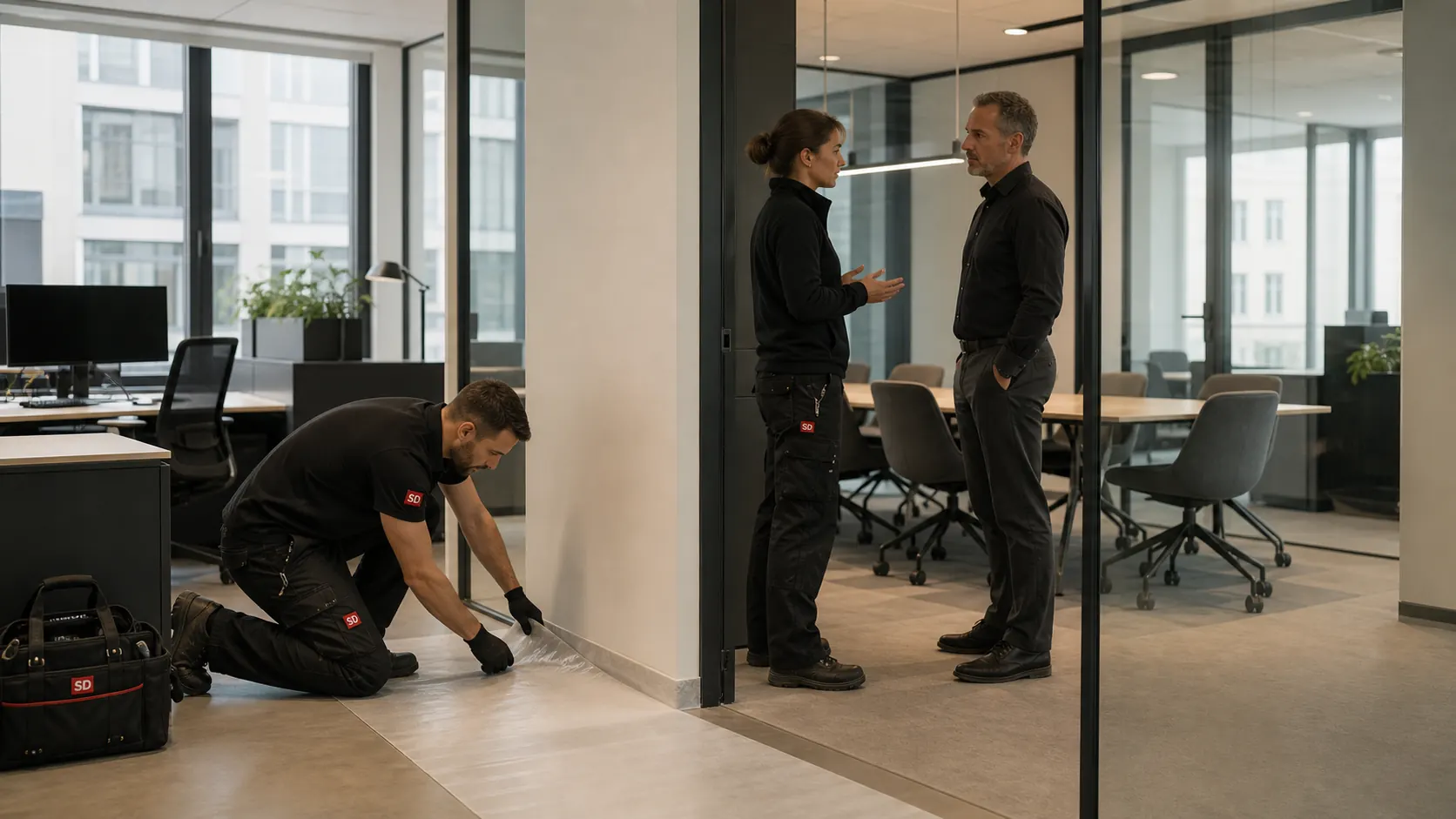
Room volume, unit positions, pipe routes, condensate drainage, electrical supply, noise and permissions should be assessed before installation.
Read more →Do not operate switches or use a flame. Ventilate only if it is safe, leave the premises and contact the emergency services, network operator or a qualified professional from outside.
Read more →Describe your needs, municipality and priorities. Studio Dantas will explain the next useful step.

